

What that actually means
Operational control,
start to finish
"Operational control" is a specific term, not a marketing one. It means one named entity is legally responsible for initiating, conducting and terminating each flight — the release, the crew pairing, the fuel load, the go/no-go call in weather.
At Aero, that entity is Aero. When you book a program aircraft, no third party sits between you and the people making those decisions. Nothing is handed off unless you specifically request a partner flight, and if that happens, we tell you before you book.
It is a meaningful distinction. A broker can quote you an aircraft they have never seen, crewed by pilots they have never met, released by an operator they have never audited. We can only quote what we hold the certificate for.
What stays in-house
- Flight release and dispatch authority
- Crew hiring, pairing and recurrent training
- Maintenance program and airworthiness release
- Weather, fuel and alternate planning
- Safety management system and reporting
- Aircraft ownership for the program fleet
Credentials
Auditable, not
just claimed
| Air carrier certificate | FAA Full Part 135 — certificate no. O09A782J |
|---|---|
| Operational control | Retained by Aero Air Charter on all program flights |
| Third-party safety audit | ARGUS Gold |
| Association | National Business Aviation Association (NBAA) member |
| Program fleet | Cessna Citation XLS · Cessna Citation V |
| Home base | Pensacola International (KPNS), Pensacola, FL |
Brokers and corporate flight departments can request our full compliance packet — certificate, ops specs, insurance and audit documentation — from hi@flywithaero.com.


Independent audit and association membership — verifiable with the issuing bodies, not just with us.
Safety program
How a flight
gets released
-
Trip intake and feasibility
Runway lengths, performance at weight and temperature, crew duty limits and customs requirements get checked before a quote goes out — not after the deposit clears.
-
Crew pairing
Captains and first officers are paired against currency, recent experience and the specific demands of the trip. Every crew member trains recurrently to the standard the certificate requires.
-
Airworthiness release
Maintenance signs the aircraft out. Because that team is down the hall rather than across the country, discrepancies get resolved instead of deferred.
-
Dispatch and go/no-go
Weather, alternates, fuel and NOTAMs are reviewed at release and again before departure. The crew holds final authority, and nobody at this company has ever been second-guessed for using it.
-
Post-flight reporting
Flight data and crew reports feed the safety management system. Trends get reviewed, not filed.
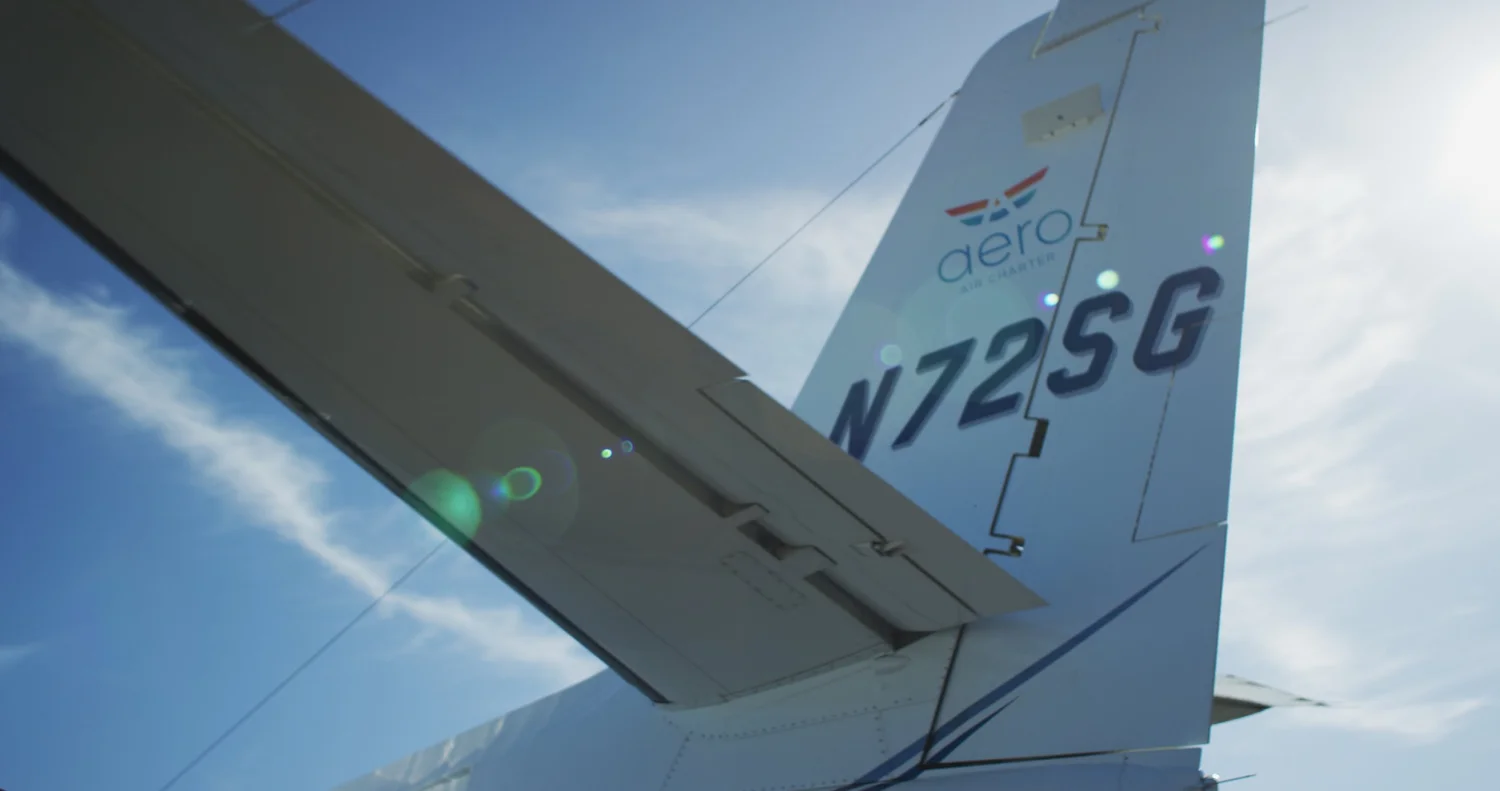
Program fleet
Owned and operated

Questions
Straight answers
What is the difference between an operator and a broker?
An operator holds an FAA air carrier certificate and is legally responsible for the flight. A broker arranges flights on operators' aircraft. Both are legitimate roles — but only one of them can tell you who maintained the aircraft and who is flying it. We are the operator, and we work with brokers rather than around them.
Will my flight ever be handed to another operator?
Only if you ask for it or if we tell you in advance. Program aircraft are owned and operated by Aero Air Charter. When a trip requires a partner aircraft — an aircraft type we don't have, or overlapping demand — we say so before you book rather than after.
What does ARGUS Gold mean?
ARGUS is an independent auditor that reviews charter operators against a published standard covering historical safety data, pilot background and operational practices. A Gold rating requires passing that review. It is a third party's opinion, not ours, which is the point.
Can you provide compliance documentation?
Yes. Certificate, ops specs, insurance certificate and audit documentation are available to brokers, corporate flight departments and clients on request.
Where can you fly?
The Gulf Coast is home, but the fleet regularly serves the continental United States, Canada and the Caribbean — including thousands of regional fields the airlines never touch.